
Microsoft Unveils an AI-Powered Security Operations Center for 2026
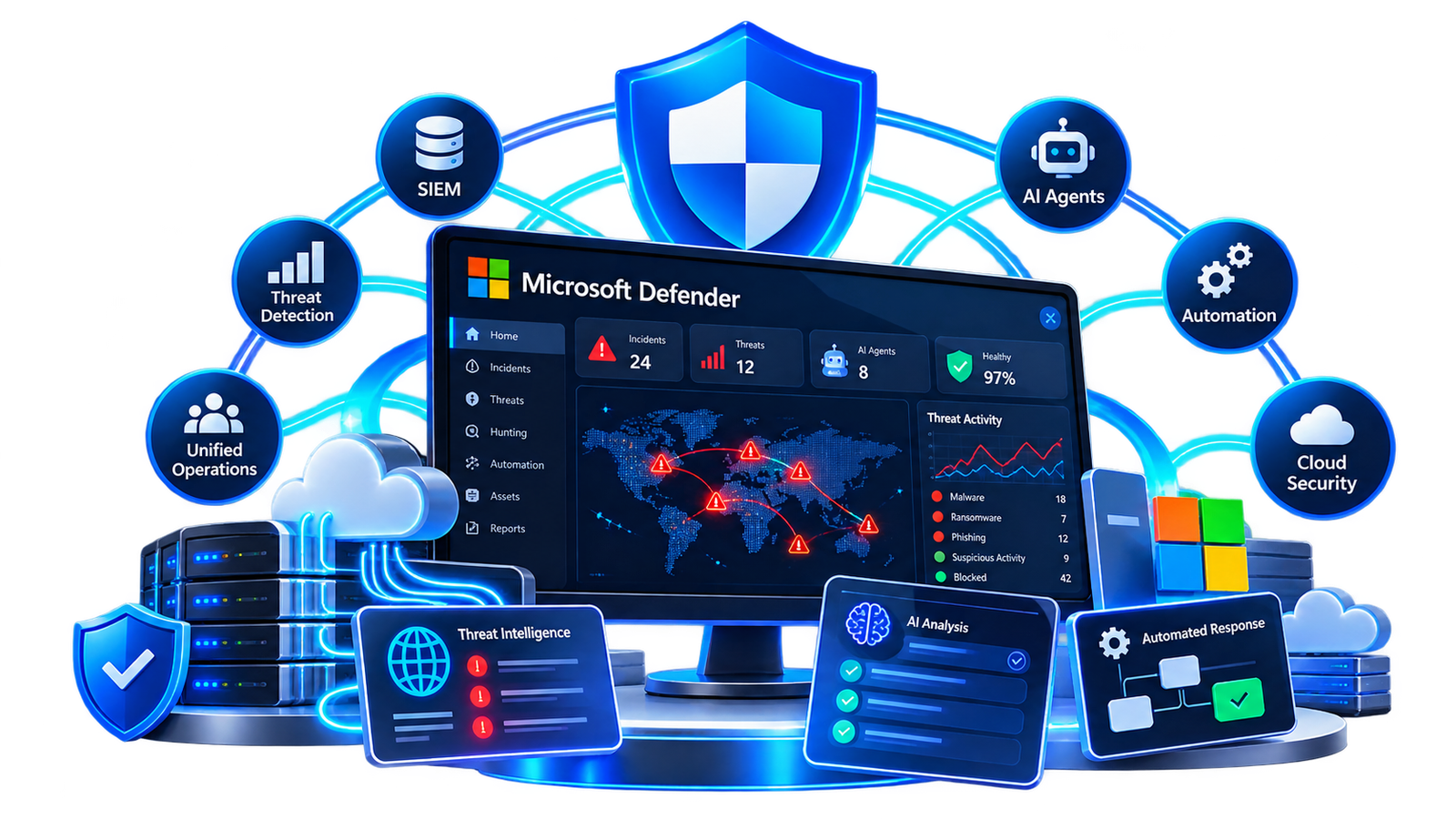
Microsoft is changing how security teams investigate and respond to cyber threats. The company has introduced the Integrated Security Operations Center (ISOC) in Microsoft Defender, a new security foundation designed for an era where both defenders and attackers increasingly use AI.
The goal is simple: bring security data, threat protection, automation and AI agents together instead of forcing security teams to work across disconnected systems.
What Is Microsoft ISOC?
ISOC stands for Integrated Security Operations Center. It brings SIEM and threat protection capabilities together inside Microsoft Defender, giving security teams a shared environment for detecting, investigating and responding to threats.
Microsoft says the platform combines signals, context and security controls so human analysts and AI agents can work from the same information.
AI Agents Become Part of Security Operations
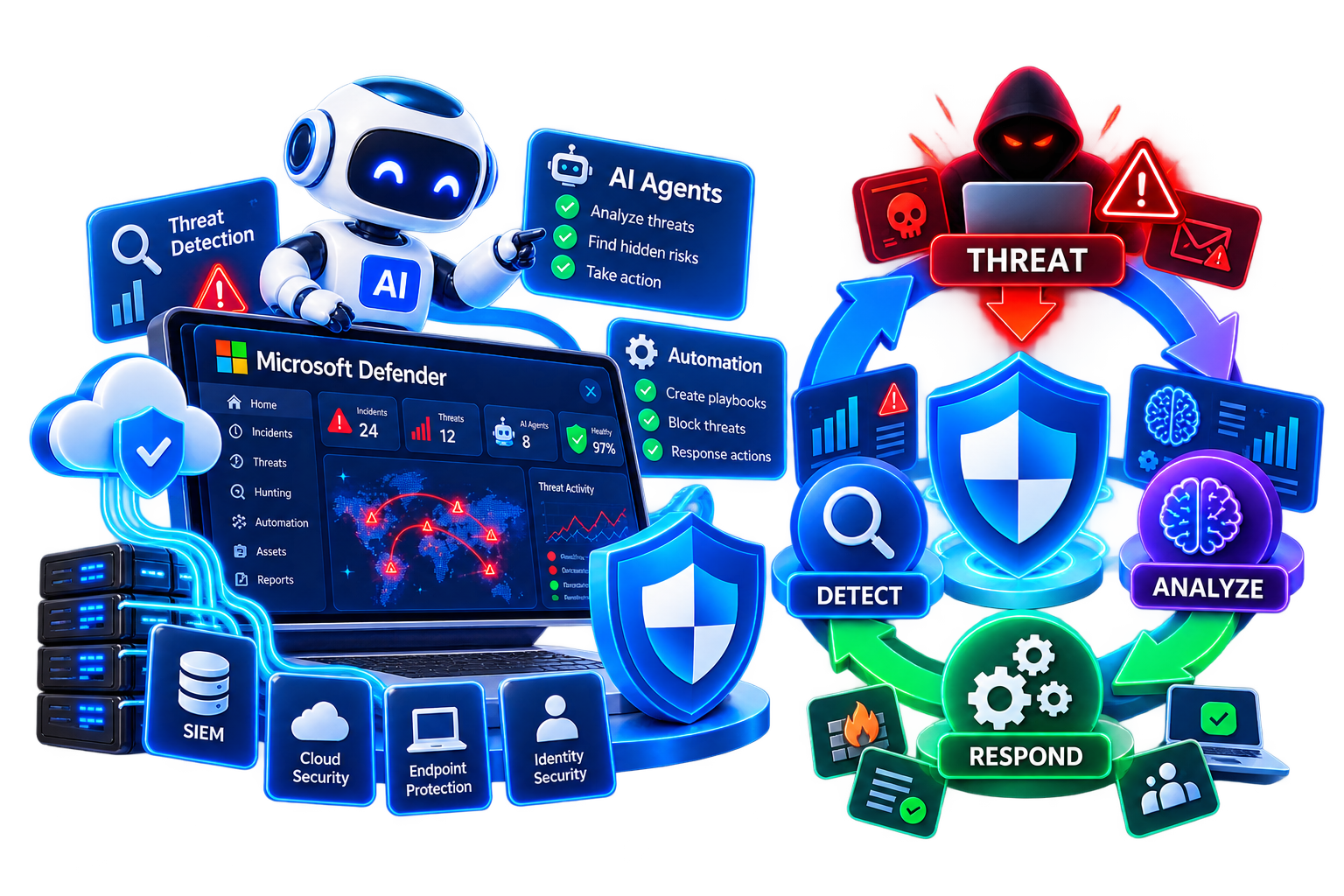
One of the biggest changes is the role of AI agents. Rather than operating as a separate AI layer, agents can use the same security signals, context and controls available to human security teams.
This can help automate continuous tasks while analysts remain responsible for priorities, judgment and important security decisions.
SIEM and Threat Protection in One Place
Traditional security operations can involve several separate tools. ISOC is designed to reduce that fragmentation by bringing important security capabilities into the Microsoft Defender portal.
During the current preview, supported capabilities include case management, workbooks, automation rules and natural-language playbook generation. Organizations can also add an ISOC workspace for additional capabilities such as threat intelligence, UEBA and third-party security data.
Faster Detection and Response
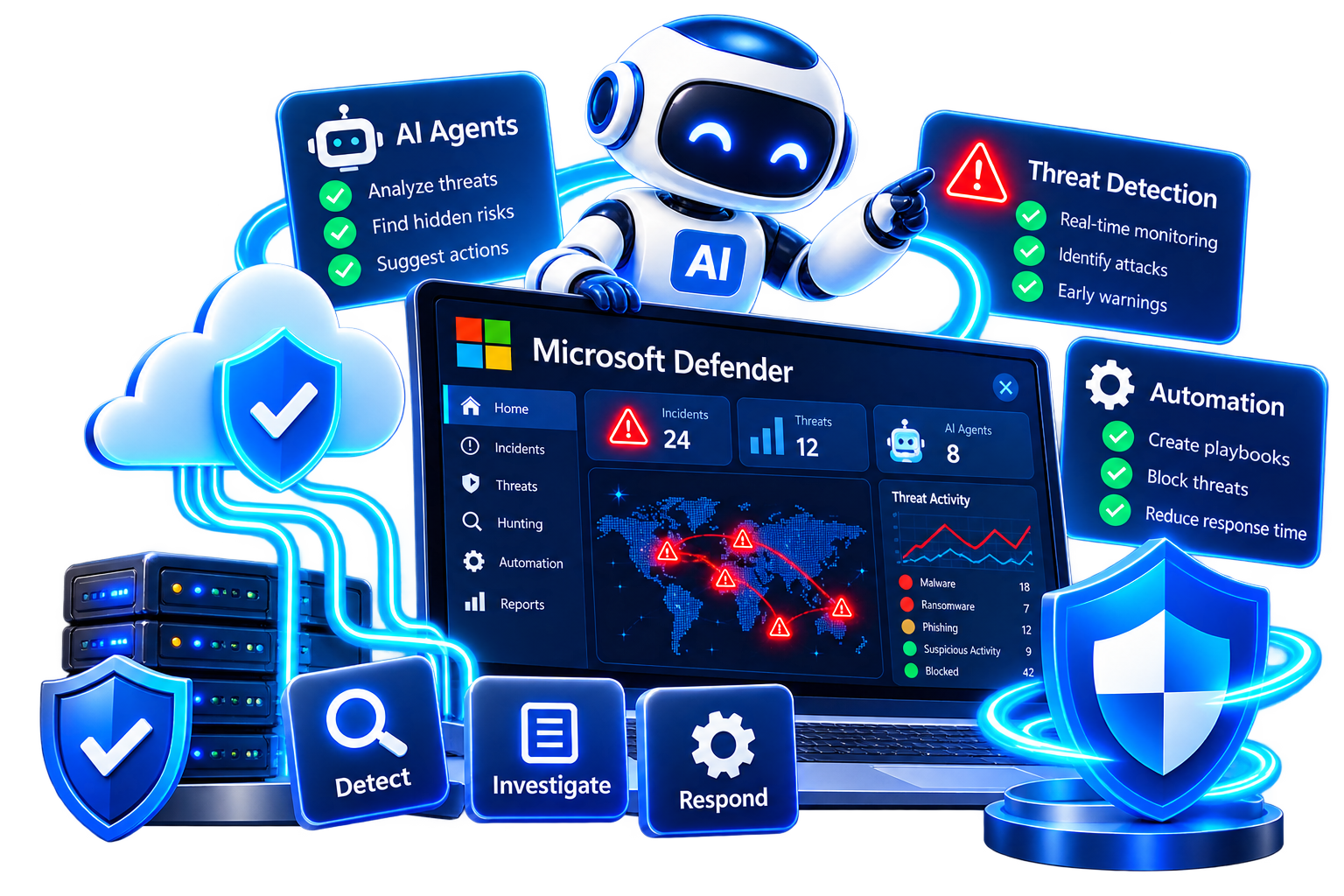
Microsoft describes an integrated protection loop where security signals can continuously improve protection. Defender can use telemetry and controls to identify threats, respond to attacks in progress and help anticipate possible attacker movements.
The idea is to reduce the time analysts spend manually connecting information from different security products.
Humans Still Have an Important Role
Microsoft is not presenting ISOC as a system that removes security professionals from the process. Its model combines automation with human direction.
AI agents provide speed and scale, while security professionals set priorities, apply judgment and decide which outcomes matter to the organization.
Who Can Access ISOC?
ISOC is currently available in preview for eligible customers. Microsoft documentation lists Microsoft Defender Suite, Microsoft 365 E5 and Microsoft 365 E7 among the eligible licenses during this phase, with additional requirements applying to some workspace-based capabilities.
Why This Update Matters
Cybersecurity teams are dealing with increasingly automated threats. Bringing SIEM, threat intelligence, automation and AI-assisted investigation closer together could make security operations simpler and faster.
ISOC also shows where enterprise cybersecurity is heading: AI agents are moving from standalone assistants toward becoming integrated parts of everyday security operations.
Final Thoughts
Microsoft's new Integrated Security Operations Center represents a significant change in how Defender is organized for AI-powered security operations.
The technology is still in preview, so capabilities and availability may change. But Microsoft's direction is clear: future security operations will increasingly combine human expertise, unified security data, automation and AI agents inside the same environment.