

How to Find Low-Competition Keywords in 2026
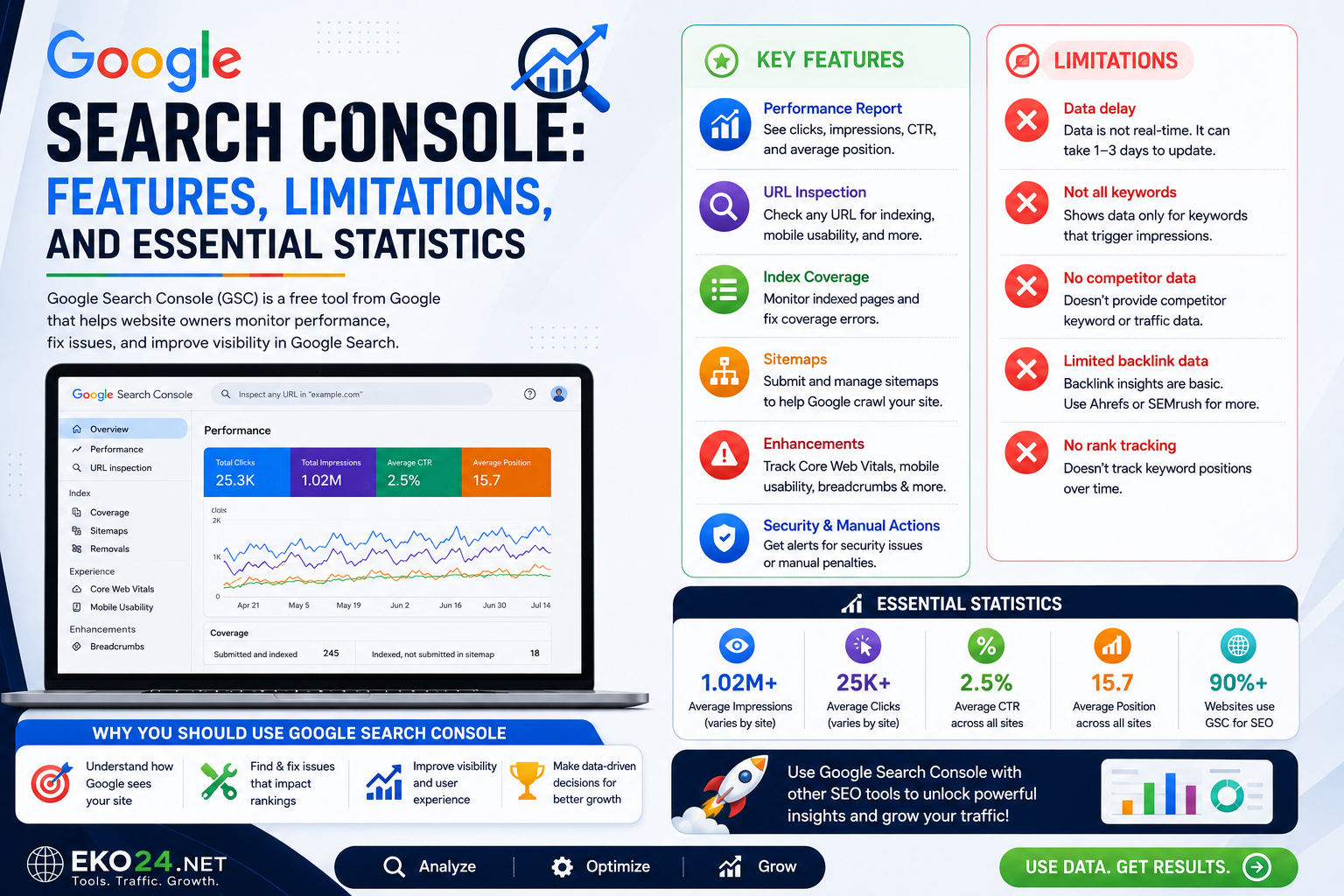
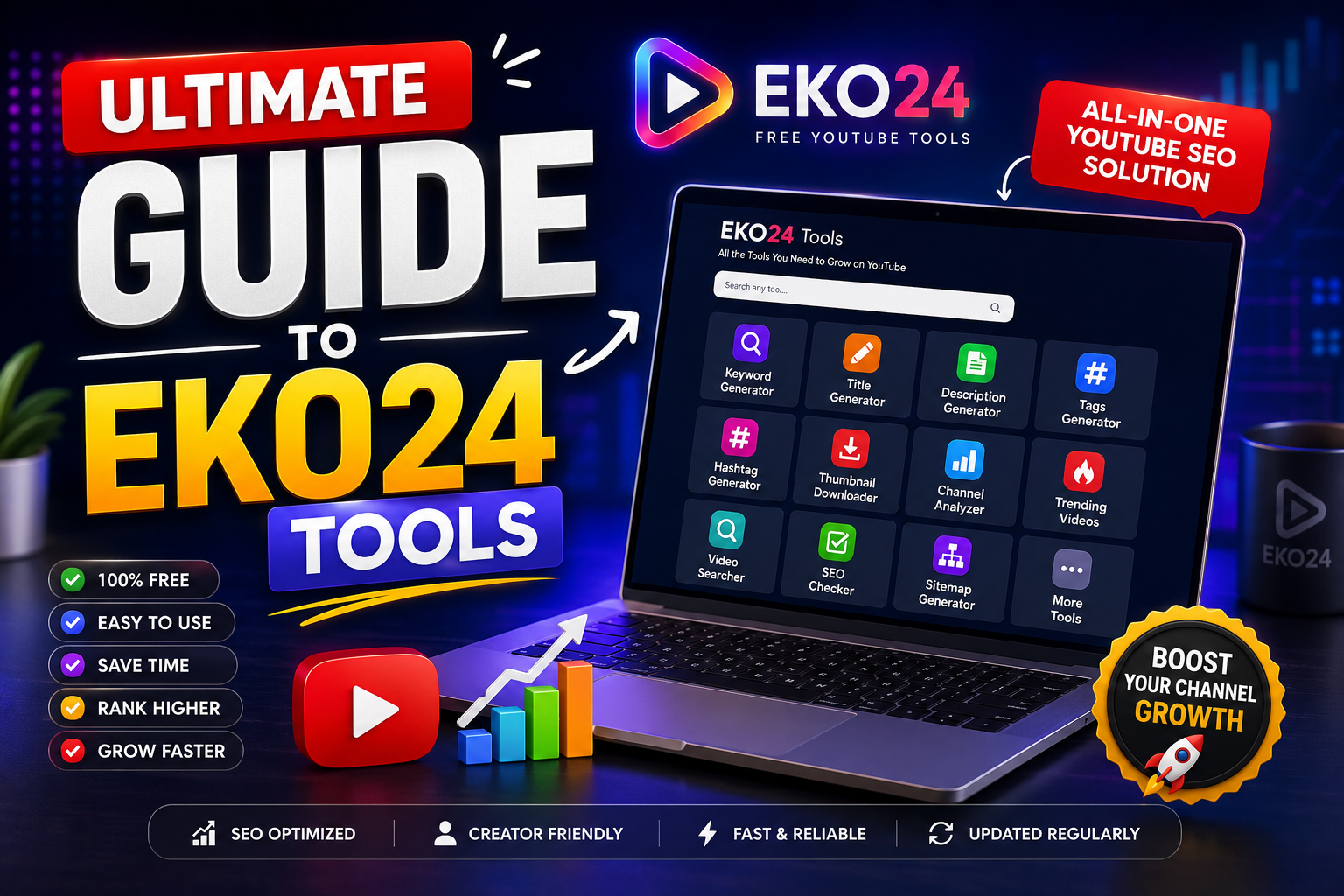
Ranking for a broad keyword can be difficult when established websites already dominate the results. A better starting point is to find specific searches that receive less attention but still match a real need. Low-competition keywords are not shortcuts or guaranteed rankings. They are focused opportunities where a useful, well-written page may have a realistic chance to earn visibility. This guide explains how to find them without relying only on a single difficulty score. What Is a Low-Competition Keyword? A low-competition keyword is a search phrase for which the current results leave room for a better or more relevant answer. It may be a detailed question, a local search, a comparison or a problem that larger websites have not covered clearly. For example, “video editing” is extremely broad. A phrase such as “how to edit vertical cooking videos on a phone” has a clearer audience and purpose. The second phrase may attract fewer searches, but the visitors it brings are more likely to find exactly what they need. 1. Begin with a Specific Topic Start with a subject that closely matches your website, service or channel. Avoid entering a word that is too general. Instead of starting with “fitness,” try “home fitness for seniors” or “short workouts for office workers.” You can use the Keyword Generator to expand a specific topic into long-tail phrases, questions and search-intent variations. Treat the suggestions as ideas to investigate, not as automatic proof that a keyword is easy. 2. Look for Long-Tail Searches Long-tail keywords usually contain more detail than broad head terms. They may mention a particular user, device, location, price range or goal. This extra detail makes the search intent easier to understand. Useful patterns include: How to solve a specific problem Best option for a particular type of user A product or method compared with an alternative A task performed on a specific device or platform A long phrase is not automatically low competition. It still needs to be checked against the pages already ranking for it. 3. Understand the Search Intent Search intent is the result a person expects to find. Some queries need a quick definition, while others need a tutorial, comparison, product page or calculator. A page can be excellent and still struggle if it uses the wrong format. Search the phrase manually and study the first page. If most results are tutorials, a short product page probably will not satisfy the same need. If the results are mixed or several pages answer a different question, there may be space for a more focused article. 4. Inspect the Current Results Do not judge competition from a number alone. Open the leading results and look at what they actually offer. Does the title match the exact query? Is the information current and easy to understand? Are the results from major specialist websites only? Could you add clearer steps, original examples or a useful tool? A promising keyword often has results that are outdated, too general, incomplete or poorly matched to the searcher's real question. 5. Evaluate Relevance Before Volume A small but relevant audience is usually more valuable than a large audience looking for something else. Before choosing a keyword, ask whether the visitor would naturally benefit from your page and whether the subject fits the rest of your website. Search-volume estimates can help compare ideas, but they are not exact predictions. Very specific keywords may also receive traffic from several close variations, even when each individual phrase appears small. 6. Build a Small Topic Cluster Instead of creating several thin pages for nearly identical keywords, group close phrases around one strong topic. Write one main guide, then add supporting articles only when each page serves a clearly different need. For example, a main guide about YouTube keyword research could connect to separate pages about question keywords, video titles and search-intent analysis. Natural internal links help visitors move between those resources and make the site structure easier to understand. 7. Create a Better Answer Using a keyword in the title is not enough. The page should solve the problem promised by that title. Add practical steps, accurate explanations and examples that come from genuine experience or careful research. Google recommends creating helpful, reliable content for people and using the words visitors search for in prominent places such as the title and main heading. That does not mean repeating the same phrase in every paragraph. Write naturally and use related terms only where they improve clarity. Before publishing, the SEO Checker can help you review basic on-page elements. You can also test concise headline variations with the Title Generator, then select the version that describes the page honestly. 8. Measure the Result and Improve Keyword research continues after publication. Use Google Search Console to see which queries produce impressions, which pages attract clicks and whether visitors are finding the page through unexpected variations. Give a new article enough time to be discovered and evaluated. If it receives impressions but few clicks, improve the title and description without changing the promise of the page. If it ranks for the wrong intent, clarify the introduction and expand the section that visitors actually need. Common Mistakes to Avoid Choosing a keyword only because a tool labels it “easy” Targeting phrases unrelated to the site's main audience Creating many near-duplicate articles for similar queries Copying the structure of ranking pages without adding new value Forcing the exact keyword into every heading and paragraph A Simple Keyword Research Workflow Choose one specific subject relevant to your audience. Generate long-tail phrases and questions. Search the best candidates manually. Identify the intent and weaknesses in the existing results. Select one primary topic and a few natural variations. Create a complete page that offers a genuinely useful answer. Measure real queries and improve the page over time. Frequently Asked Questions Are low-competition keywords always long? No. Many are long-tail phrases, but competition depends on the current results, the topic and the quality of available answers—not simply the number of words. Should I target keywords with zero reported volume? A zero estimate does not always mean nobody searches for the phrase. If the question is highly relevant and represents a real audience need, it may still deserve a useful page. How many keywords should one article target? Focus on one clear subject. Closely related variations can appear naturally in the same article, but different search intents usually need separate pages. Can a new website rank for competitive topics? Yes, but beginning with focused opportunities can help a new website build useful content and topical depth before competing for broader phrases. Final Thoughts The best low-competition keyword is not merely the phrase with the smallest score. It is a relevant search where you understand the visitor's goal and can publish a noticeably better answer than the pages currently available. Start specific, inspect the real results, create useful content and learn from performance data. That process is slower than chasing random keyword lists, but it builds a stronger foundation for sustainable search traffic.