

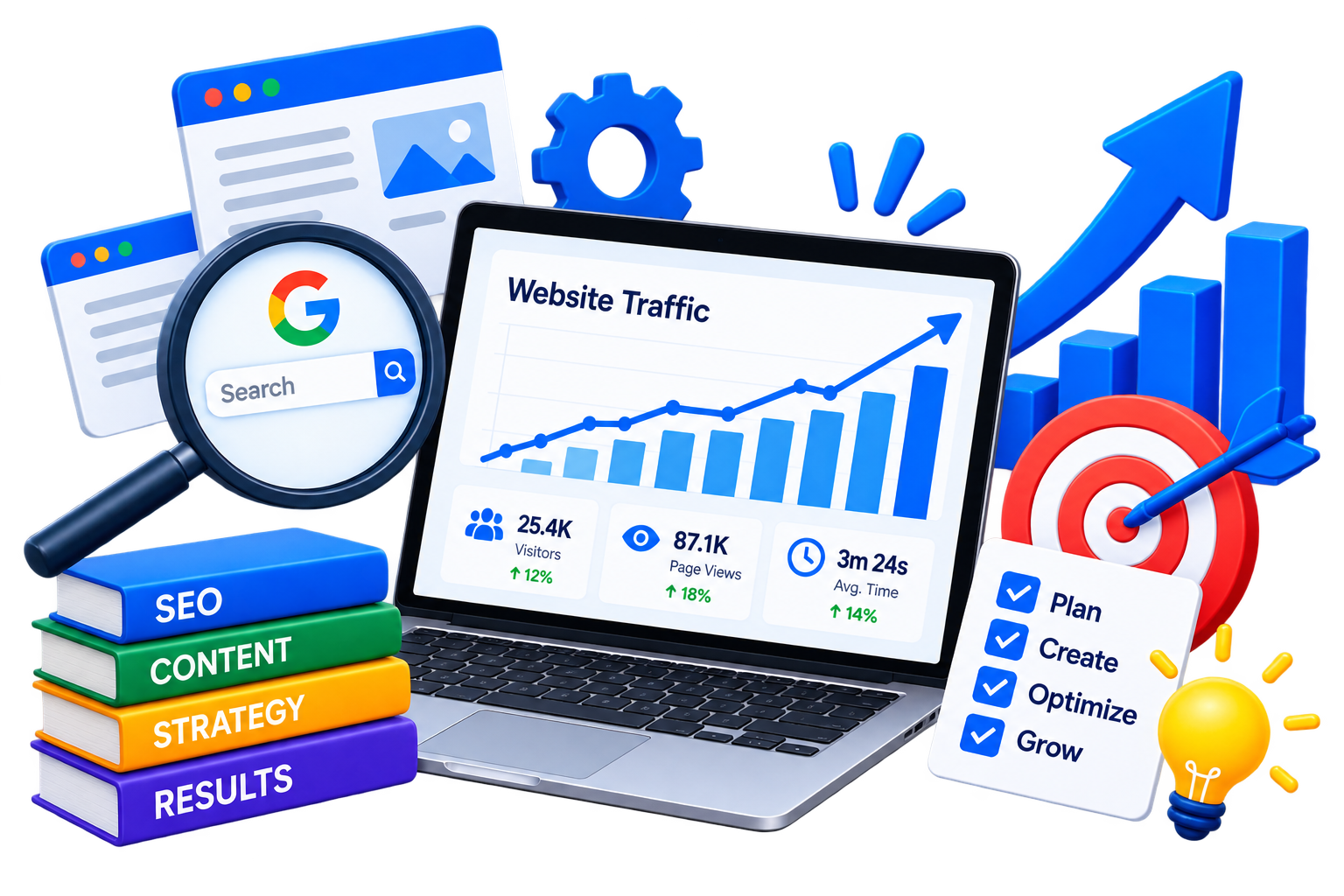
Why Some Websites Get Traffic and Others Don’t
Two websites can publish content about the same topic and still get completely different results. One may attract visitors every day, while the other struggles to get noticed.
The difference is rarely one secret trick. Website traffic usually comes from a combination of useful content, clear pages, good search visibility, and a site that gives visitors a reason to stay.
Useful Content Gives People a Reason to Visit
A website needs to answer real questions or solve real problems. Publishing more pages does not automatically mean getting more traffic.
A smaller collection of useful articles can often be more valuable than dozens of pages created only to target keywords. Visitors want clear information that helps them find an answer without wasting time.
Search Engines Need to Understand the Website
Good content also needs a clear structure. Page titles, headings, internal links, descriptive URLs, and well-organized categories help search engines understand what each page is about.
This also makes navigation easier for visitors. When related pages are connected naturally, someone who discovers one useful article can continue exploring the website instead of leaving immediately.
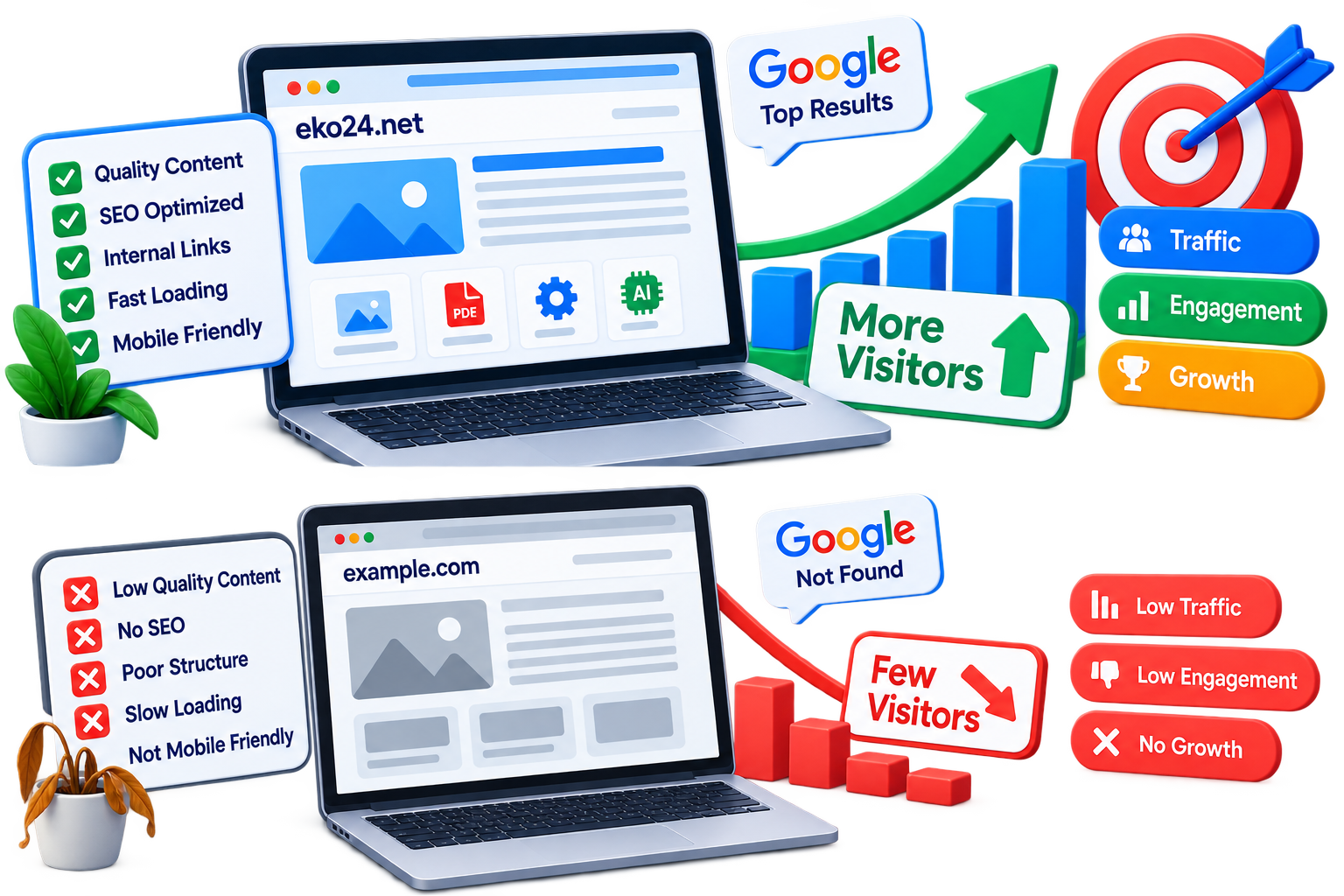
The Title Can Make a Big Difference
Appearing in search results is only part of the job. People still need a reason to click.
A clear title should tell readers what they can expect from the page. Titles that are confusing, exaggerated, or too generic may be ignored even when the page itself contains useful information.
Speed and Mobile Experience Matter
Visitors do not want to wait for a slow page or constantly zoom and scroll sideways on a phone.
Large images, unnecessary scripts, intrusive elements, and complicated layouts can make a website frustrating to use. A fast and readable page creates a much better first impression.
Older Content Should Not Be Forgotten
Publishing a new article and never looking at it again can be a missed opportunity.
Information changes, links become outdated, and better explanations can often be added later. Reviewing older pages can keep useful content relevant and may also reveal opportunities for new internal links.
Traffic Usually Takes Time
A new page may not receive search traffic immediately. Search engines need time to discover, crawl, understand, and evaluate pages, and competition can vary greatly from one topic to another.
Instead of expecting every article to succeed quickly, it is more useful to watch which topics attract impressions and visitors over time. That information can help guide future content decisions.
Visitors Should Have Somewhere to Go Next
Getting one click is useful, but a strong website also helps visitors discover the next relevant page.
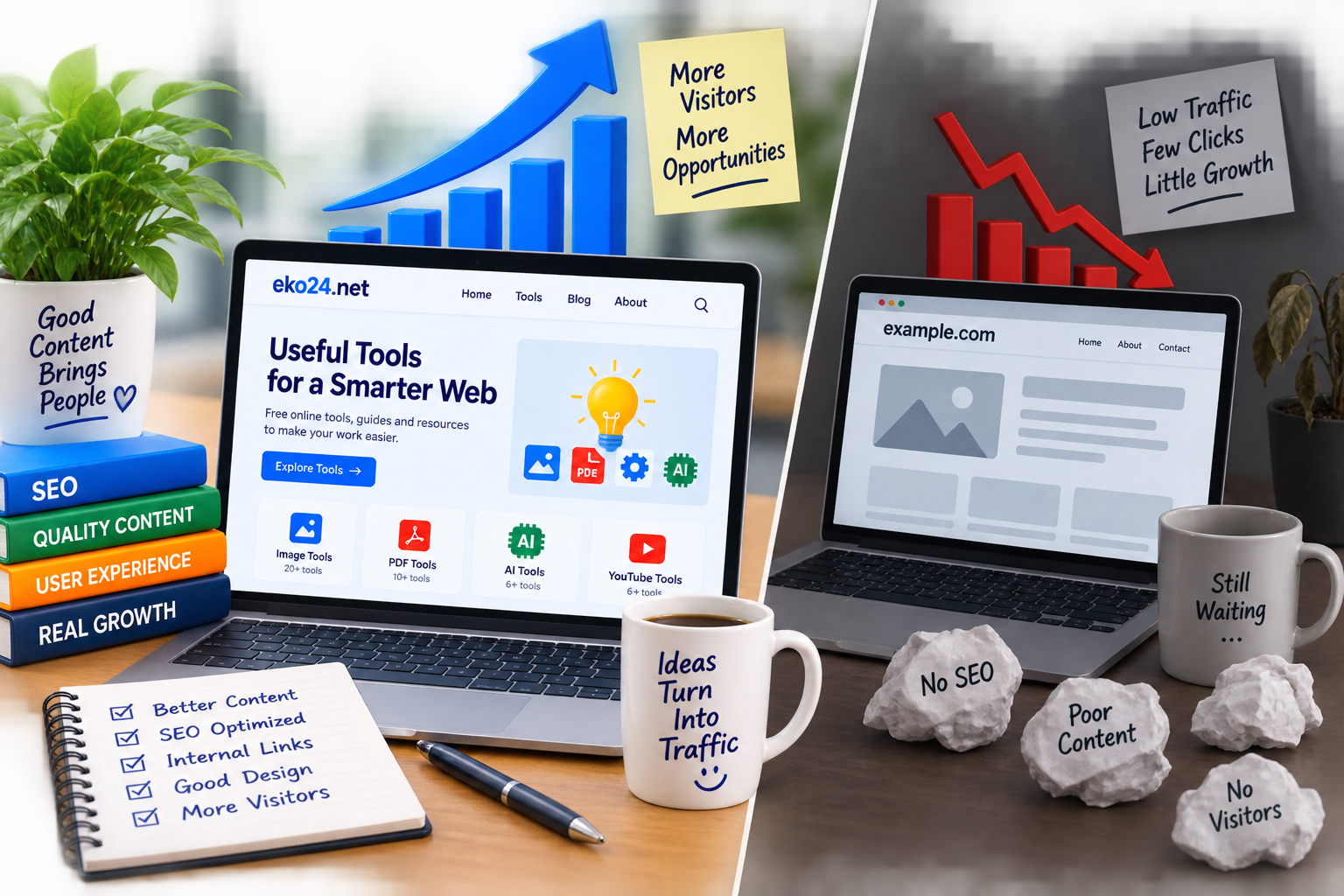
Related articles, useful tools, clear categories, and sensible internal links can turn a single visit into a longer session. The goal is not to add links everywhere, but to provide the next useful step when it makes sense.
There Is No Single Traffic Formula
Websites that grow consistently usually do several basic things well: they publish useful content, make pages easy to understand, maintain a good user experience, and improve existing content instead of only producing more.
Traffic can rise and fall, and not every page will perform equally. Building a useful website over time is more sustainable than chasing every new SEO trick.