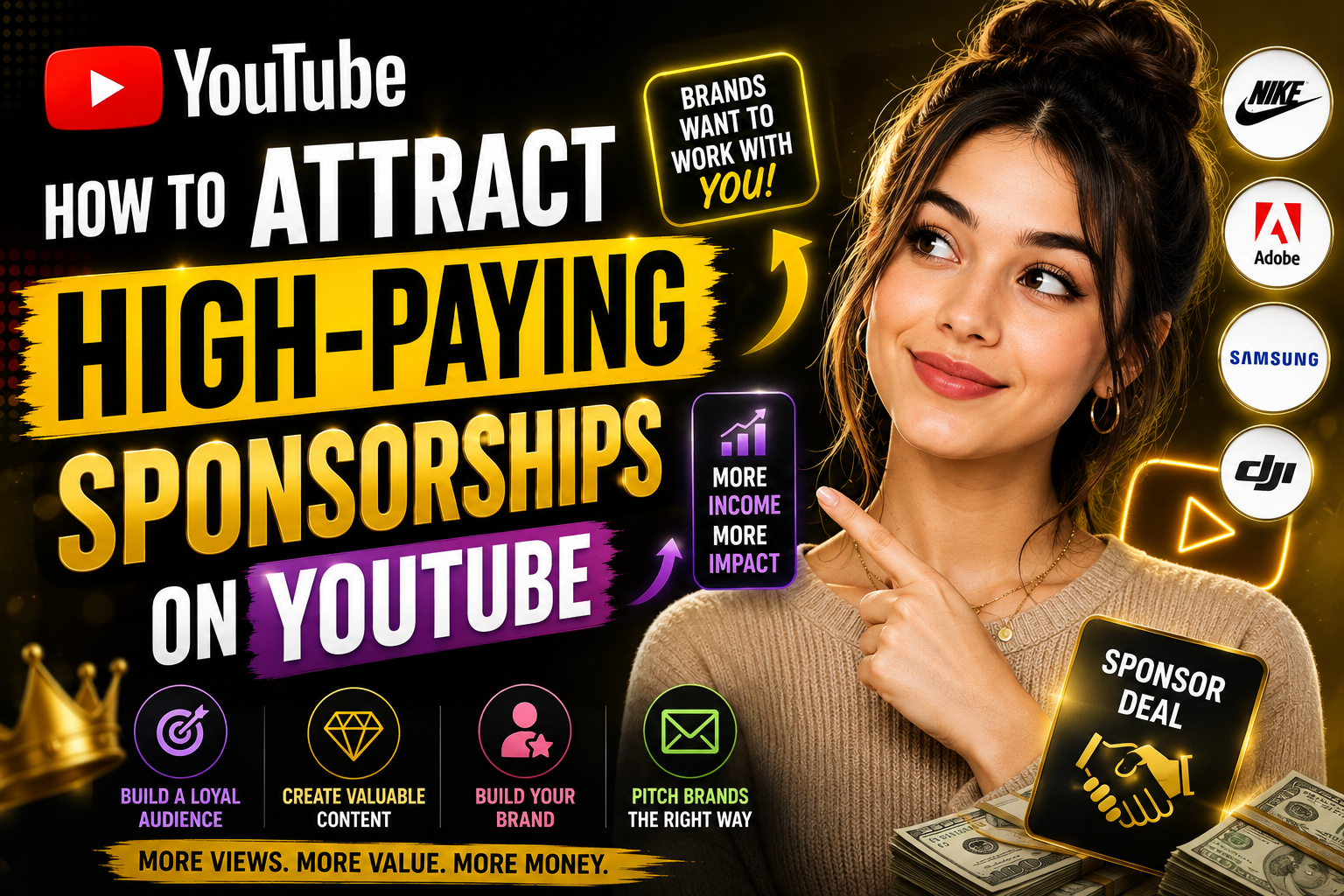
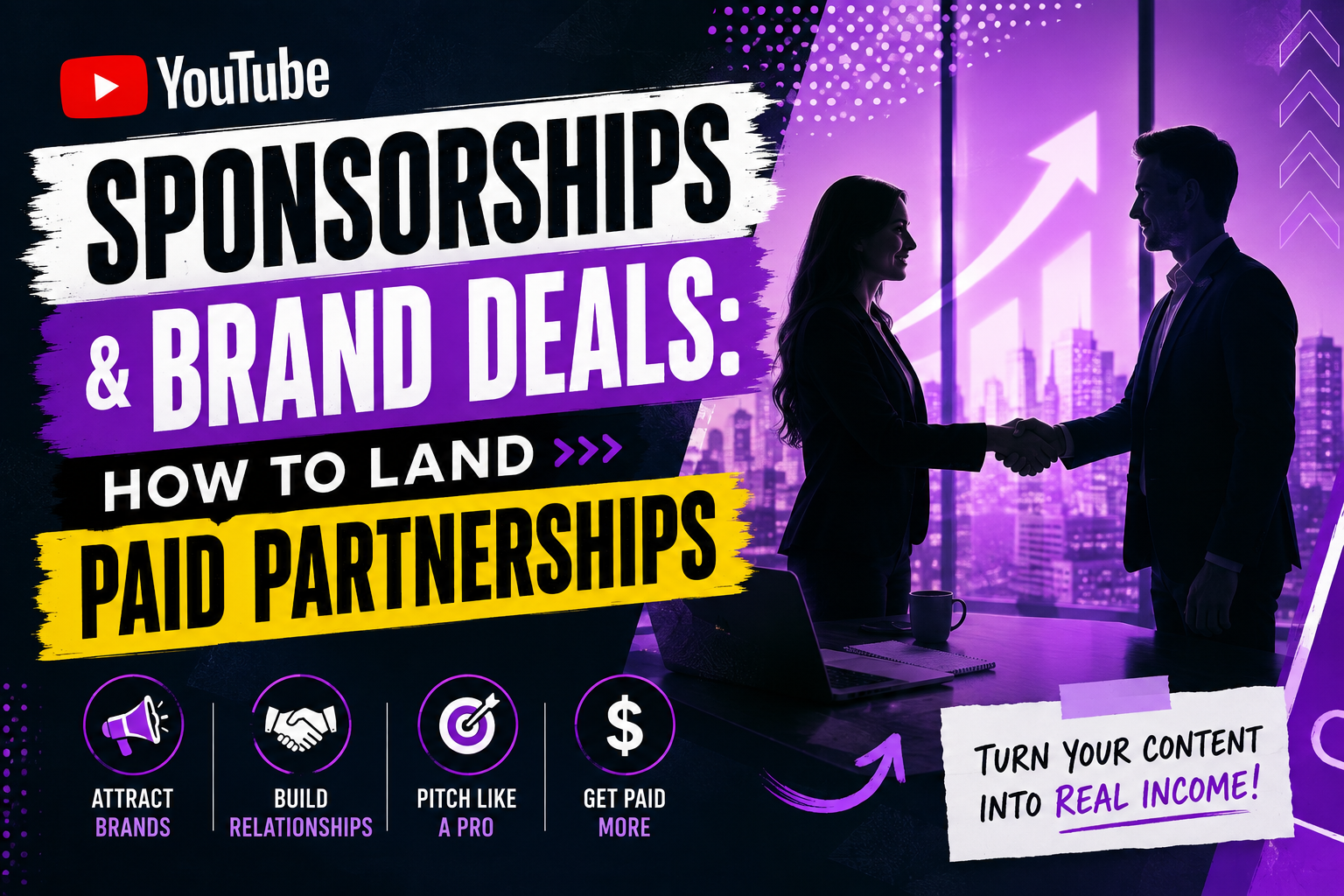
Relying solely on YouTube AdSense can leave your channel's revenue vulnerable to seasonal CPM fluctuations. Securing brand deals and sponsorships allows creators to diversify their income and negotiate compensation that varies widely with the campaign, audience and deliverables.
While large brands often reach out to established channels, smaller creators can actively secure sponsorships by presenting clean channel data and using professional creator toolkits. For more insights on digital growth and optimization strategies, keep exploring the resources on EKO24.NET!
1. What Brands Look for Before Sponsoring a Channel
Contrary to popular belief, subscriber count is not the primary metric sponsors evaluate. Brands focus heavily on audience quality and conversion potential:
- Audience Engagement Rate: Likes, thoughtful comments, and shares carry more weight than vanity subscriber numbers.
- Audience Demographics: Advertisers target specific geographic regions, age brackets, and purchasing power.
- Niche Alignment & Brand Safety: Consistent, focused channels in specific niches (tech, finance, software, education) attract higher CPM rates than general vlog channels.
2. How to Build a High-Converting Media Kit
A media kit is your channel's professional resume when pitching to sponsors. It should be concise (1 to 2 pages) and include:
- Channel Overview: A 2-sentence elevator pitch describing your content focus and target audience.
- Key Performance Metrics: Average views per video over the last 90 days, engagement rate, and total watch time.
- Demographic Breakdown: Top viewer countries, age ranges, and gender distribution sourced from YouTube Studio.
- Past Collaboration Examples: Links to previous sponsored integrations or high-performing video thumbnails.
3. Cold Outreach Strategy: Pitching Brands Directly
Don't wait for sponsors to email you. Reach out directly to marketing managers or agency representatives using a clear, value-focused pitch:
- Keep It Brief: State who you are, why your audience matches their target market, and pitch 1-2 specific video integration ideas.
- Highlight SEO Value: Explain how your search-optimized videos continue to drive organic views for months. You can use the Keyword Generator on EKO24.NET to show sponsors high-demand search keywords in your niche.
- Optimize Channel Metadata: Before sending pitches, ensure your video titles and tags are clean and searchable using the Tags Generator on EKO24.NET.
4. Essential Terms and Contract Red Flags
Before signing any sponsorship agreement, ensure the contract includes clear terms regarding deliverables and payment schedules:
- Usage Rights: Specify whether the brand is buying ad integration rights within your video or paid ad licensing rights to repurpose your footage.
- Exclusivity Windows: Ensure non-compete clauses are reasonable (e.g., 30 days) so you aren't blocked from working with other sponsors long-term.
- FTC Disclosure Rules: Always comply with advertising guidelines by adding
#addisclosures and using YouTube's paid promotion toggle.
Related guides: How to Attract High-Paying Sponsorships on YouTube and Boost YouTube Earnings: The Ultimate Monetization and RPM Strategy for 2026.
Not sure what to charge? Try the EKO24.NET YouTube Sponsorship Calculator to estimate a practical minimum, recommended, and premium rate for your next brand deal.
Conclusion
Landing brand deals is a repeatable skill that combines professional pitch outreach, strong audience engagement, and clean channel presentation. By optimizing your metadata and leveraging dedicated creator utility tools, you can position your channel as a premium marketing partner. For more insights on digital growth and optimization strategies, keep exploring the resources on EKO24.NET!
Related Reading
For advice on building a premium channel proposition, read our guide to attracting higher-paying YouTube sponsorships.
Paid sponsorship disclosures: official YouTube rules
A sponsorship is not guaranteed income. The amount offered depends on the audience, expected reach, deliverables, usage rights, exclusivity, campaign length and negotiation; subscriber count alone cannot determine a reliable rate. Keep written records of deliverables, payment terms, approval rights and any permitted use of your content.
Disclosure is required: YouTube says creators must declare paid product placements, sponsorships and endorsements in their video settings. Creators and advertisers are also responsible for complying with applicable local disclosure laws. The platform's paid-promotion label does not automatically replace every legal disclosure obligation.
Official reference: YouTube Help: Paid product placements, sponsorships and endorsements.