
Every day, billions of people use the internet to communicate, work, study and share information. But how does information travel between countries and continents?
With EKO24.NET's interactive Internet World Map, you can explore our connected planet directly from your browser.
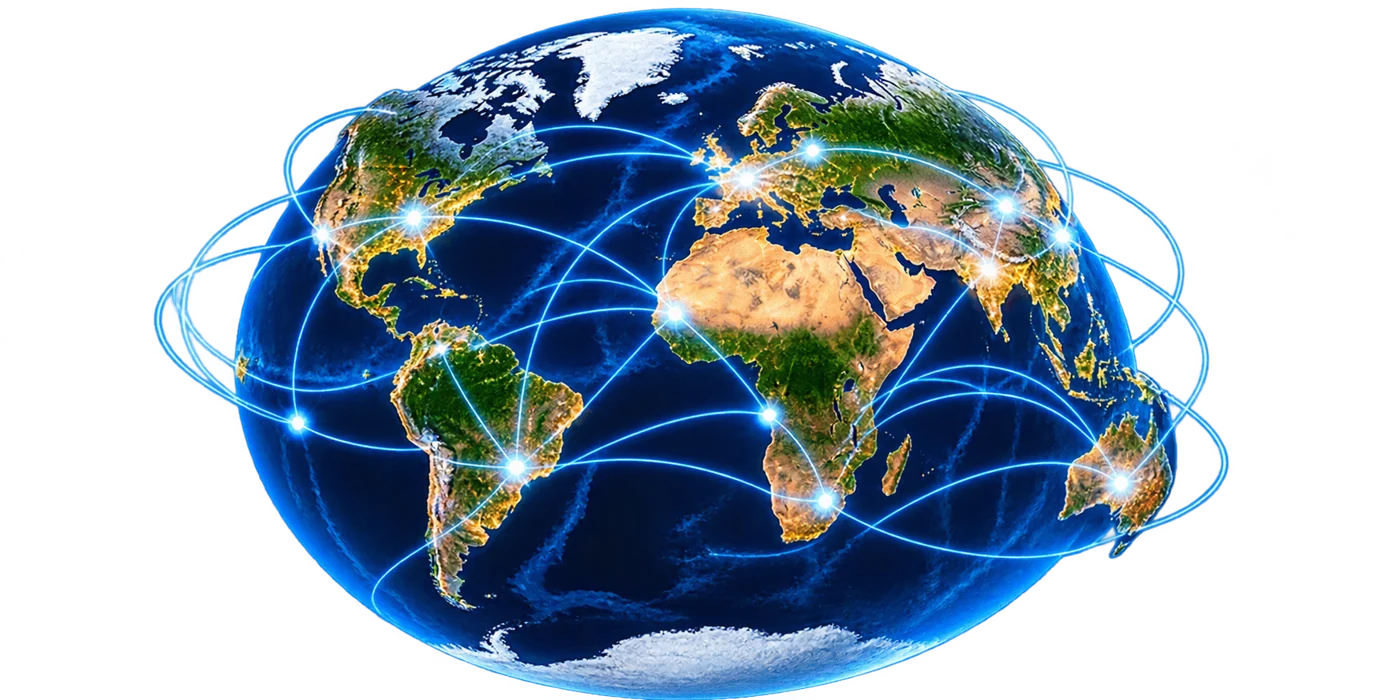
How Is the World Connected?
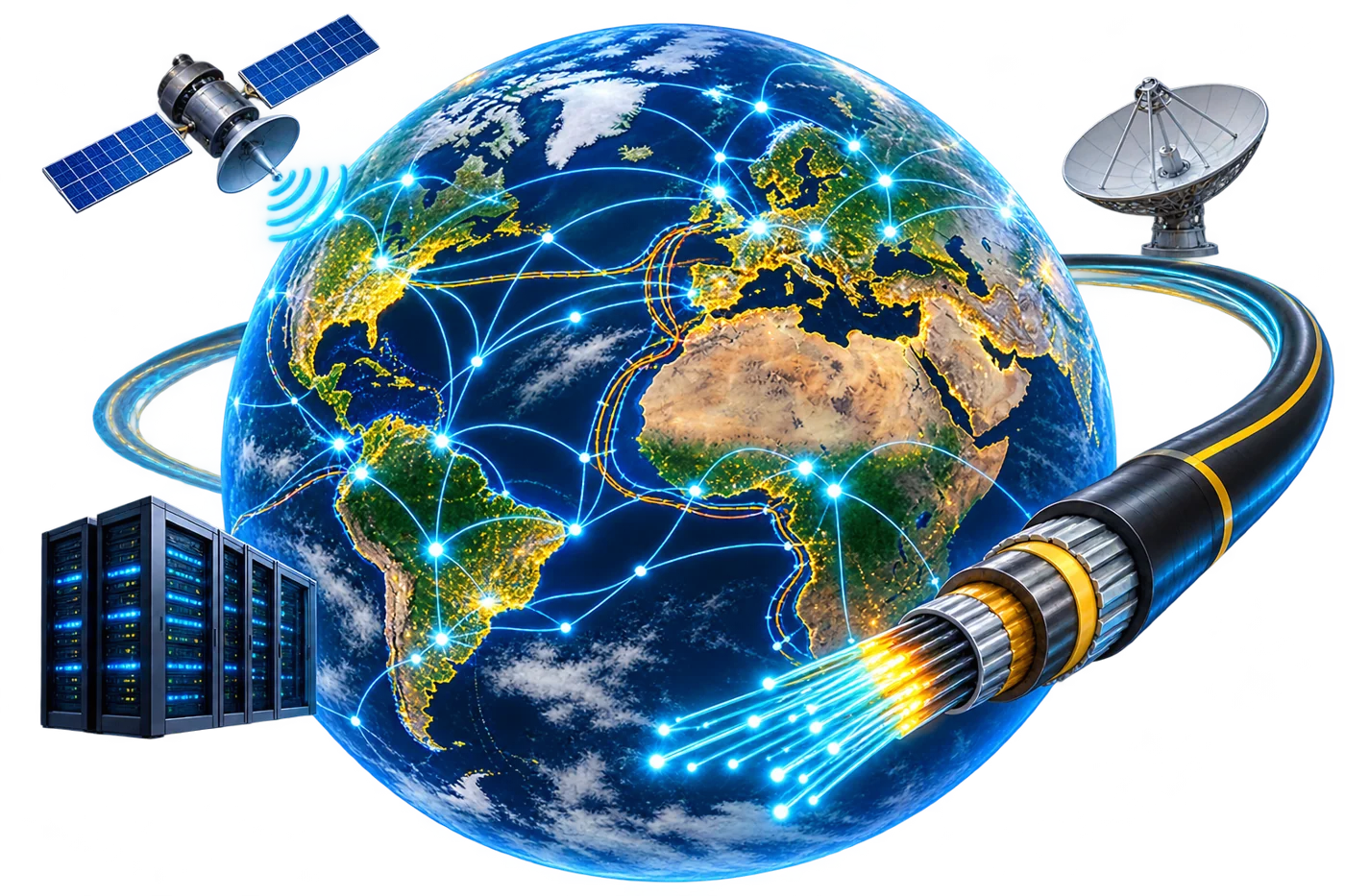
The global internet consists of interconnected networks, fiber-optic cables, data centers, routers and internet exchange points.
These systems work together to transport information between devices across the world.
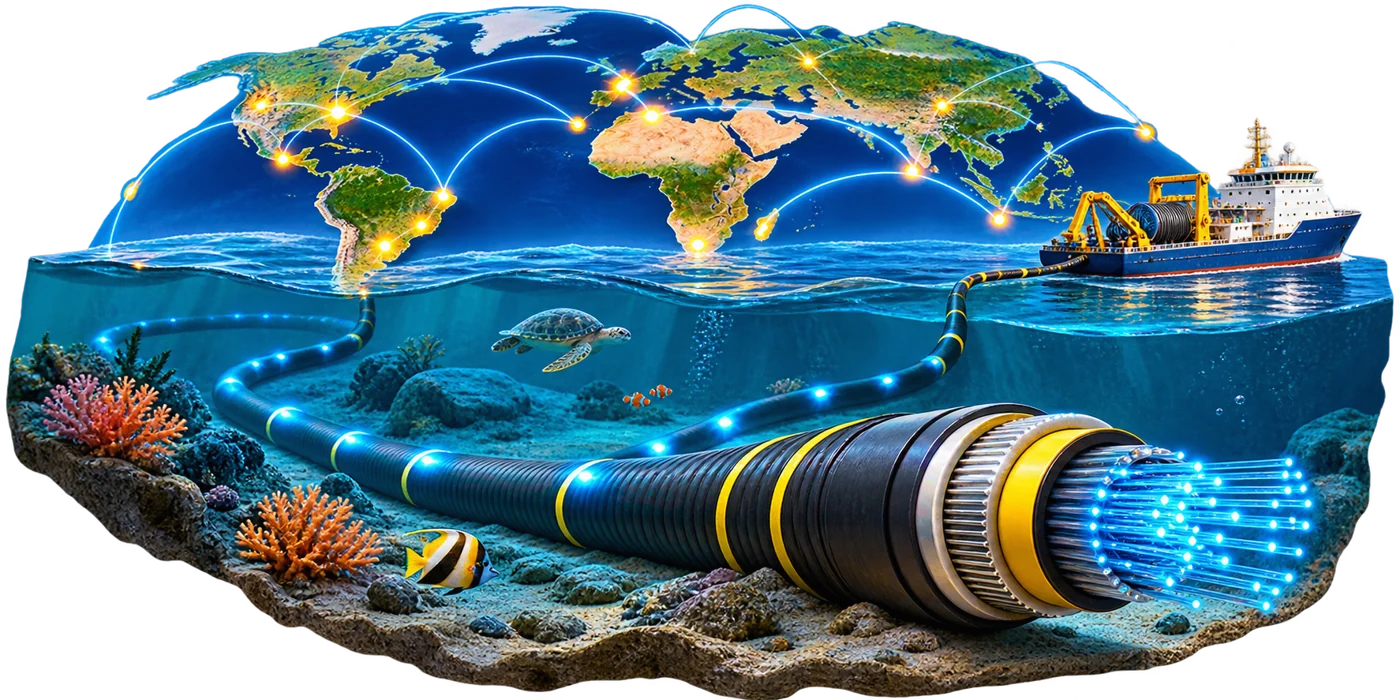
Submarine Internet Cables
Underwater fiber-optic cables carry most international internet traffic. These cables cross oceans and connect continents, allowing information to travel rapidly over thousands of kilometers.
Explore Countries and Time Zones
Interactive world maps help us understand geographical distances, international connections and time differences between countries.
Discover how geography influences communication, infrastructure and access to digital services.
Why Does Internet Speed Vary?
- Quality of local network infrastructure.
- Distance between users and servers.
- Network congestion.
- Available fiber-optic connections.
- Internet service provider performance.
Explore the Interactive World Map
Discover countries, time zones and global connectivity with the EKO24.NET Internet World Map.
Frequently Asked Questions
Does the internet travel through satellites?
Satellites provide internet connectivity, particularly in remote areas, but submarine fiber-optic cables carry most international data traffic.
Who owns the global internet?
No single organization owns the entire internet. It consists of interconnected networks operated by many independent organizations.
Is Internet World Map free?
Yes. You can explore it directly in your browser.
Discover More Interactive Experiences
Continue learning with EKO24.NET Digital Lab:
- Space Explorer 3D
- PC Builder Simulator
- World Live Statistics
- Technology Time Machine
- Electronics Simulator
Explore more free educational experiences at EKO24.NET Digital Lab.